

The ABCs of Skincare
ABCs of Skincare
When it comes to truly healthy skin there are three vitamins that form the backbone of almost every effective skincare routine. In professional skincare circles they’re widely known as the ABCs of skincare: Vitamin A, Vitamin B and Vitamin C.
These vitamins aren’t trending ingredients or passing fads, they are fundamental to how the skin functions, repairs and protects itself on a daily basis. Each plays a distinct and powerful role within the skin working both independently and synergistically to maintain balance, resilience and long-term skin health.
Together they support everything from cellular renewal and barrier strength to collagen production, pigment regulation and protection from environmental stress. When these vitamins are present in the skin in the right forms and delivered correctly they help create the conditions for skin to behave optimally.
Understanding what each vitamin does allows you to see why they are considered the ultimate foundation of corrective skincare.
Vitamin A
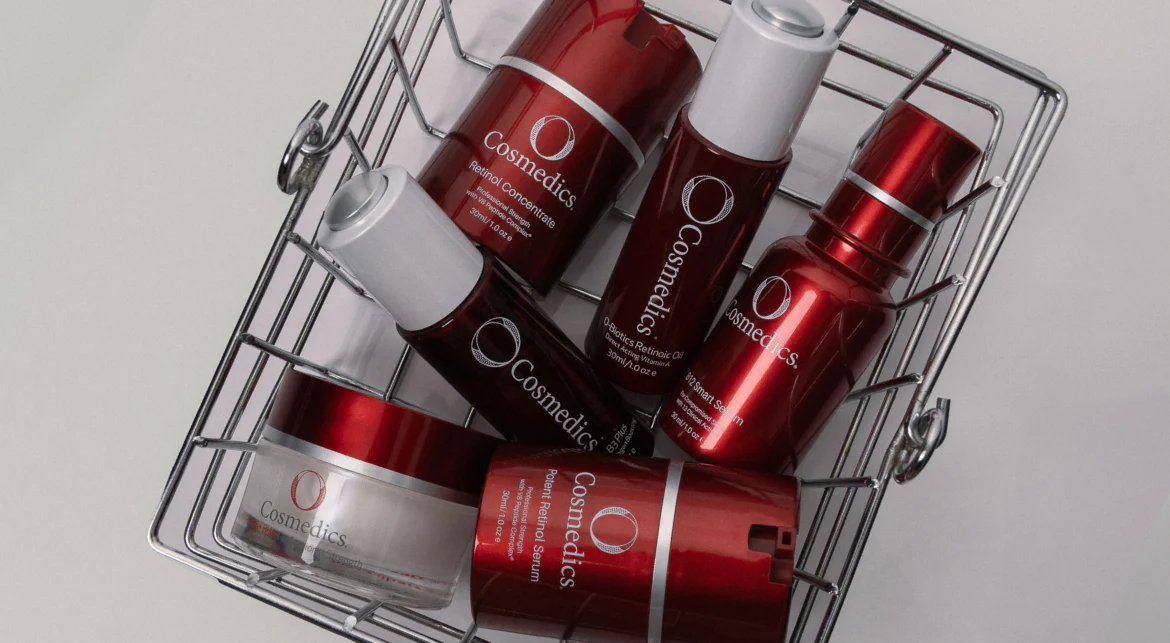
Master of all in its many forms, Vitamin A is as crucial to the skin as the air we breathe. It’s so crucial that all skin cells and fibroblasts (collagen and elastin producing cells) have a specific receptor for Vitamin A (Retinoic Acid Receptor or RAR) that topical Vitamin A binds to, giving it direct access inside these cells. From here, it repairs damage due to external aggressors and UV exposure while activating the cell it has entered to perform its function at optimal capacity.
Few ingredients in skincare are as biologically intelligent as Vitamin A. Its ability to communicate directly with skin cells allows it to influence how those cells behave, essentially encouraging them to function in the way healthy skin naturally should.
Once Vitamin A binds to its receptor and enters the cell, it begins supporting repair and renewal processes that are essential for maintaining strong, resilient skin. Environmental stress, UV exposure and everyday oxidative damage can disrupt the way skin cells operate. Vitamin A helps restore balance by guiding those cells back toward normal behaviour.
Whatever condition your skin is in it requires Vitamin A to ensure all processes are happening as they should be. This includes healthy cell turnover, balanced oil flow, regulated pigment production and continual collagen, elastin and GAG (hyaluronic acid) synthesis.
Healthy skin relies on these processes working in harmony. Cell turnover ensures the skin sheds old cells efficiently while allowing fresh ones to surface. Balanced oil production helps prevent congestion while maintaining hydration, and regulated pigment activity reduces the likelihood of uneven tone.
Meanwhile collagen, elastin and glycosaminoglycans (GAGs) provide the structural support that keeps skin looking firm, smooth and youthful.
With prevention always being better than a cure, having Vitamin A in your skin results in a clear, balanced, radiant, smooth and more youthful complexion.
Often described as the conductor of the skin’s orchestra, Vitamin A coordinates many of the biological processes that keep skin functioning properly. This intelligent vitamin comes in many forms, each requiring conversion into Retinoic Acid to enter cells once applied to the skin.
Because of this conversion process, the quality, purity, potency and delivery system of Vitamin A becomes incredibly important. The way a formulation stabilises and delivers Vitamin A determines how effectively the skin can access and utilise it, ultimately influencing how well the skin reaps the rewards of this essential vitamin.
Vitamin B
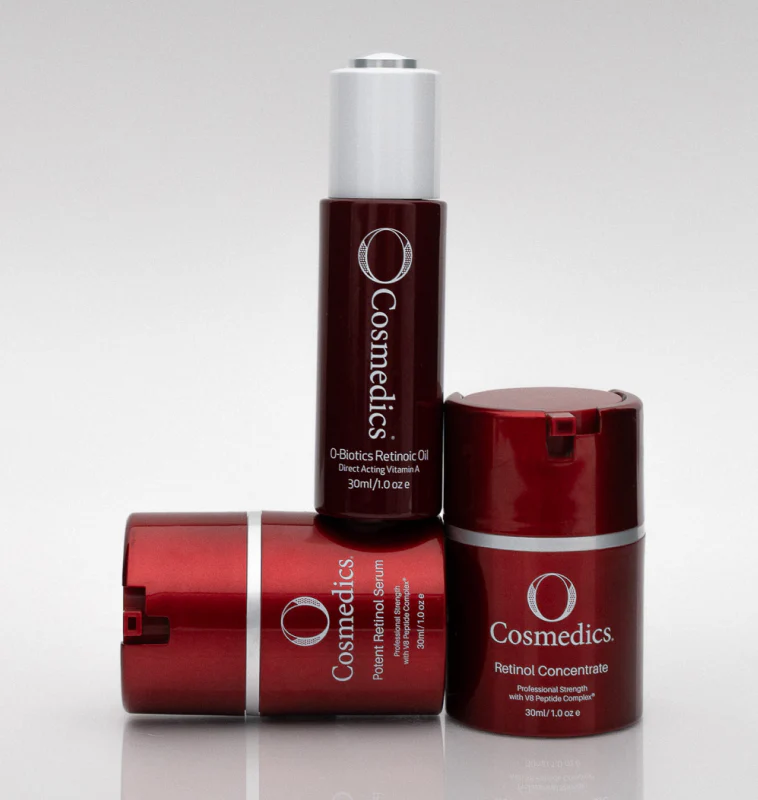
There’s a round of applause and there’s a standing ovation; in skincare land, Vitamin B and specifically B3 and B12 have earned both.
Skin-famously known as essential vitamins for ultimate skin health, these two members of the B family are not only needed by the skin they are actively welcomed by it. Vitamin B3 (Niacinamide) has long held the crown as one of the most researched and respected ingredients in skincare, while Vitamin B12 has become increasingly recognised for its remarkable calming and restorative abilities.
Required for a healthy and strong skin immune system that is equipped to go to skin war for you in defending against bacteria, viruses and even fungi, these two forms of Vitamin B easily take the cake.
The skin is constantly exposed to environmental stressors, microbes and irritants. A strong immune response within the skin helps it defend against these aggressors while preventing imbalance or inflammation from taking hold.
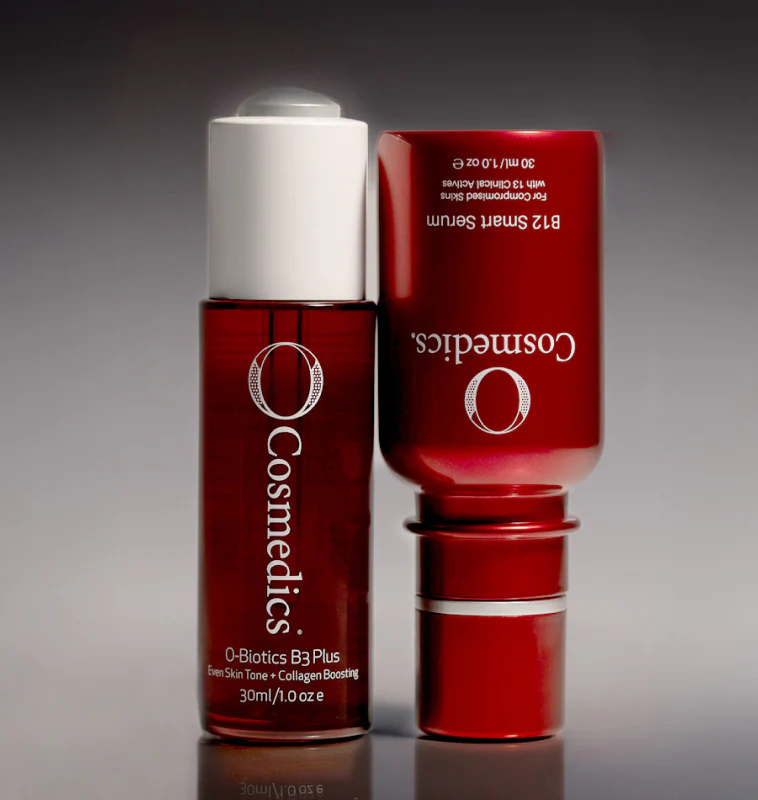
Vitamin B plays a crucial role in maintaining that defence system. By supporting the skin’s natural immune responses and strengthening the barrier, these vitamins help ensure the skin remains resilient and capable of protecting itself.
In addition to their immune boosting qualities, both Vitamin B3 and B12 help reduce water loss, repair the skin barrier and calm visible redness or inflammation. They encourage lipid production within the skin which strengthens the protective barrier and helps maintain hydration.
Beyond barrier repair, these vitamins also assist in regulating oil production, improving uneven tone and supporting healing processes within the skin. Their calming influence makes them particularly valuable for skins experiencing sensitivity, irritation or inflammation.
Whether the skin is managing breakouts, recovering from treatments or simply seeking balance, Vitamin B plays a central role in restoring harmony and strengthening overall skin health.
Vitamin C
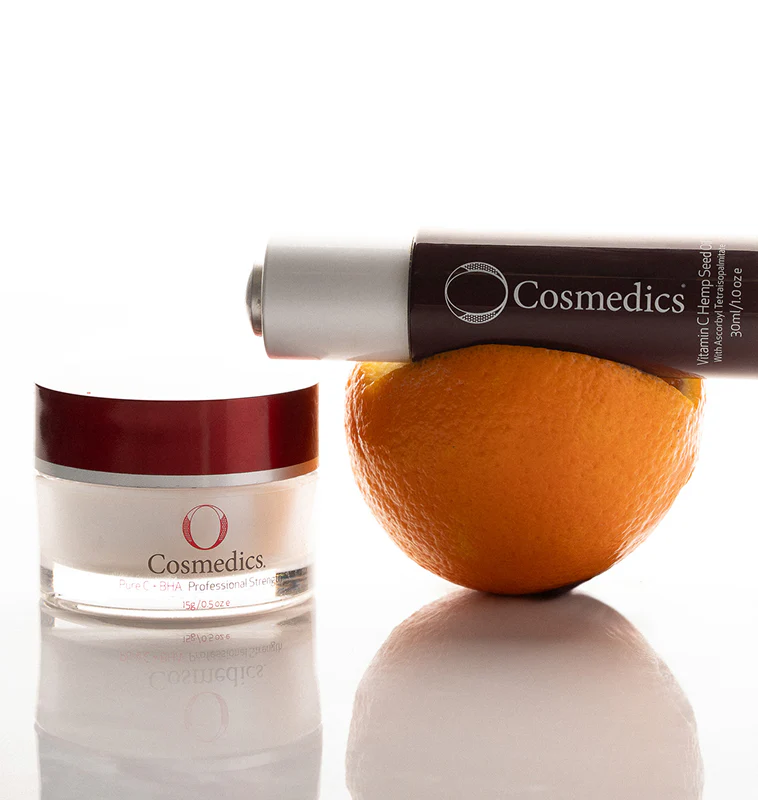
Vitamin C has a long history of being known as a nonnegotiable skin vitamin due to its leader-of-the-pack ability to fight off free radical damage caused by UV and naturally occurring scavenging oxygen molecules in the skin and all its cells.
Environmental exposure generates unstable molecules known as free radicals which can damage cellular structures and accelerate visible signs of aging. Vitamin C acts as a powerful antioxidant neutralising these molecules before they can cause harm.
Continued research into its powers shows that Vitamin C helps protect cells from UV damage by coating the nucleus (DNA) of our cells in a protective shield that absorbs UV energy. By doing so, it helps prevent the breakdown of DNA that can lead to cellular mutation and compromised skin health.
This protective function is critical as UV radiation remains one of the leading contributors to premature aging and cellular damage within the skin.
Beyond its antioxidant abilities, Vitamin C supports many structural functions that keep the skin looking firm and vibrant. It assists in the synthesis of collagen, elastin and GAGs, all of which contribute to skin structure, support, volume and elasticity.
Vitamin C also helps strengthen the tiny blood vessels within the skin known as capillaries, which improves circulation and supports healthy skin function. In addition, it plays an important role in regulating pigment by helping prevent the excessive transfer of melanin into skin cells, contributing to a more even and radiant complexion.
Like Vitamin A, Vitamin C also exists in multiple forms designed for different skin types and conditions. Stability and delivery are particularly important for Vitamin C formulations as the ingredient can degrade quickly if not formulated correctly.
For this reason, the purity, potency, percentage and delivery system of Vitamin C become fundamental factors in how well the skin can utilise this essential vitamin.
Why the ABCs Work Best Together
While each vitamin offers powerful benefits on its own, their real strength appears when they work together.
Vitamin A focuses on cellular renewal and repair, Vitamin B supports the skin barrier and immune defence, while Vitamin C provides antioxidant protection and structural support.
Together they create a comprehensive approach to skin health encouraging optimal cell function, strengthening resilience and protecting the skin from daily environmental stress.
When incorporated into a well-designed routine with professional guidance, the ABCs of skincare provide the foundation for clearer, stronger and more radiant skin long term.
Because when the skin has the right vitamins in the right forms, it gains the ability to function the way healthy skin was always designed to.