What’s Your Skin Type and Condition?
Discover the Real Story Behing Your Skin
When it comes to your skin, knowledge is power. Understanding your unique skin type and current skin condition is the first step toward long-term skin health and the difference between treating symptoms and transforming your skin from within.
At O COSMEDICS CANADA, we believe in empowering you with education, not confusion. Your skin is unique and so is the way we care for it. This guide has been created to help you understand what’s happening beneath the surface, so you can make informed choices and begin your advanced skin health journey with confidence.
To begin with, Book An In-Clinic Consultation with one of our O Skin Experts for a personalised experience and advanced analysis. Find a clinic here:
Skin Types vs. Skin Conditions: What’s the Difference
Every complexion tells a story. Your skin type is determined by genetics and remains largely constant throughout your life. Your skin condition, however, is ever-changing and influenced by environment, lifestyle, stress, nutrition, hormones and the products you use.
Skin types can be grouped into three categories: True Dry, True Oily, and Sensitive, while conditions include Dehydration, Barrier Impairment, Acne, Reactive & Inflamed Skin, Hyperpigmentation and Aging.
These conditions are often interlinked and dehydration, inflammation and barrier damage are the common roots that lead to visible issues like hyperpigmentation, breakouts, redness and premature aging. Treating one without addressing the others is like putting a bandage on a deeper wound = short-term comfort, without long-term correction.
To achieve real, lasting change your skin deserves sophisticated formulations that respect its structure, nurture its barrier and soothe inflammation rather than aggravate it.
Already feel you know your skin well? Click on the skin type and/or condition below to jump to where you need to go in this blog:
True Dry Skin
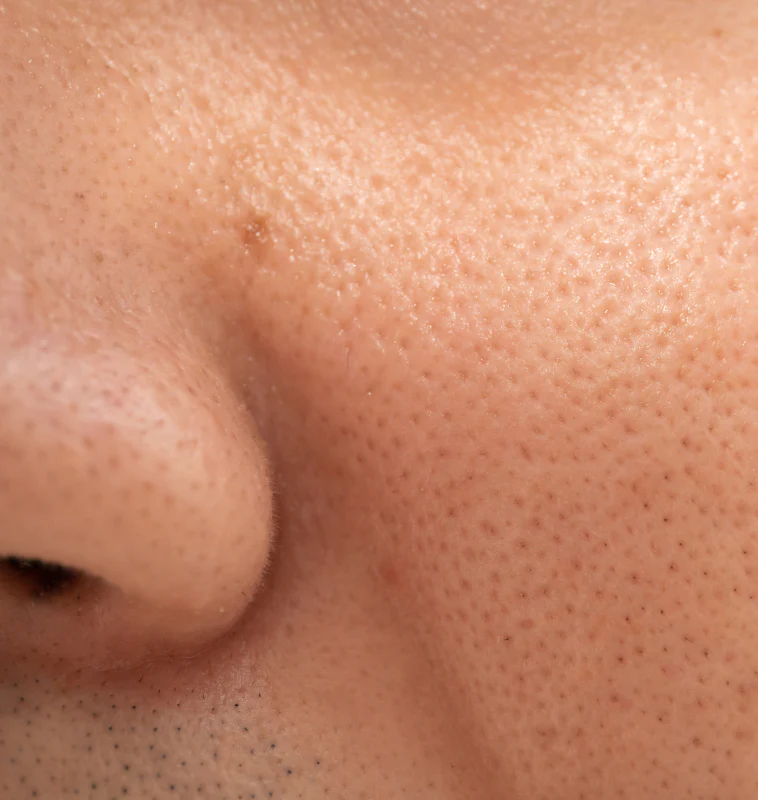
If you’ve always felt your skin is tight, flaky or never quite hydrated enough you’re likely a True Dry Skin. This is not a temporary state; it’s a skin type with an innately low level of natural oils (sebum) and lipids.
Visibly, a dry skin type shows small pores mostly limited to the T-zone and often experiences dullness, rough patches or areas of redness that worsen with seasonal changes. Makeup tends to sit unevenly emphasising fine lines and dehydration.
Because of its lack of natural lubrication, a True Dry Skin struggles to retain water resulting in an impaired barrier and accelerated aging if not supported correctly. You might crave rich, creamy textures yet feel they never quite “quench” your skin – a sign your products may not be delivering the right balance of nourishing lipids and hydration.
To truly care for this skin type, formulations should restore and mimic the skin’s natural barrier, replenishing essential fatty acids and ceramides while protecting against environmental aggressors. Think of it as giving your skin the nutritional support it needs to hold onto its own moisture.
True Oily Skin
The least common but often the most misunderstood of the three types, True Oily Skin is characterised by larger, more visible pores that extend beyond the T-zone to the inner cheeks, chin and forehead. This skin type produces more sebum than others which gives it that natural sheen that’s often mistaken for a flaw, but in truth, is one of the most youth-preserving skin types.
A well-balanced oily skin ages beautifully because its natural oils keep the barrier strong and flexible. However, when oil flow becomes irregular, issues like congestion, breakouts and acne can arise. Sebum carries a specific bacterium that when trapped within the pore can trigger inflammation and infection if the skin’s barrier becomes compromised
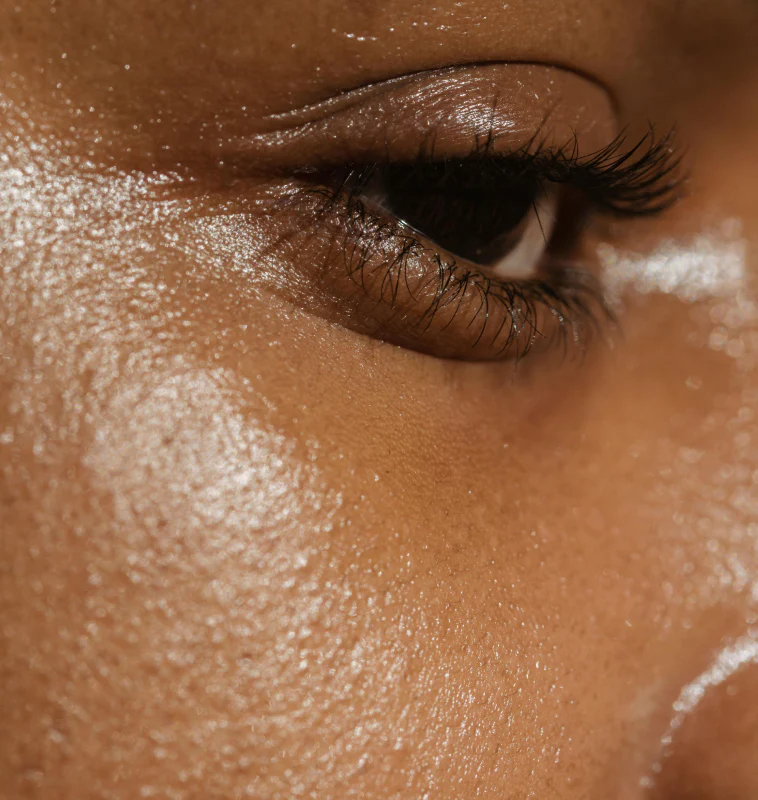
You may notice your oily skin feels slick in the morning or throughout the day, but if you’ve noticed that oil production has slowed with age, you might have what we call a post-oily skin – one that still benefits from its strong structure but now requires more hydration and anti-aging support.
The key for oily skins is balance, not stripping. Products that harshly remove oils only signal the skin to produce more creating a frustrating cycle. Instead, choose intelligent formulations that help regulate sebum, refine pores and maintain barrier health. With the right routine, oily skin can remain radiant, resilient and beautifully balanced for years.
Sensitive Skin
A True Sensitive Skin is delicate by design. It tends to flush easily, react to temperature changes and feel irritation from skincare, detergents or even perfume. This skin type often has a lifelong tendency toward redness and inflammation, coupled with a reactive immune system and heightened histamine response (meaning rashes, hives or flare-ups under stress are not uncommon).
The difference between Sensitive and Dry Skin lies in the constant redness and sensitivity present from an early age. Over time, if treated incorrectly, sensitivity can progress into chronic dehydration and barrier impairment.
Caring for sensitive skin requires a less-is-more approach, think gentle, anti-inflammatory formulations, no harsh fragrances and actives that strengthen capillaries and soothe the skin’s nervous system. With consistent barrier repair and protective care, sensitive skin can be beautifully calm, even and strong.
Reactive & Inflamed Skin
Inflamed skin is the skin’s cry for help and the final stage of an overworked immune system. You’ll see it as chronic redness, irritation, heat, dryness or even a stinging sensation with the simplest of products.
When inflammation becomes chronic, it not only affects comfort but also accelerates aging, dullness and pigmentation. In many cases, if left untreated inflammation can lead to Rosacea, a common but chronic vascular condition.
At O COSMEDICS, we treat inflammation as a priority. Soothing, strengthening and restoring balance to your skin’s immune system helps it return to homeostasis, that perfect equilibrium where the skin can self-heal, glow and protect itself again.
Acne
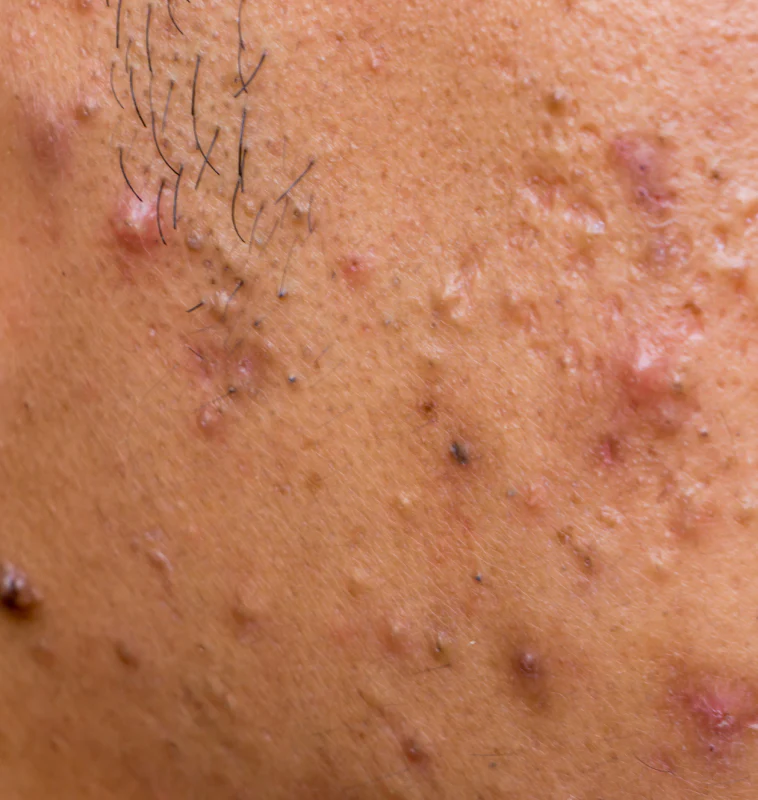
Acne is one of the most emotionally and physically challenging skin conditions impacting confidence as much as comfort. Affecting up to 85% of people between the ages of 12 and 25, acne also appears increasingly in adults, especially women.
Whether it’s persistent acne that follows you from adolescence or late-onset acne appearing after 25, the causes are often a combination of hormonal imbalance, excess sebum production, congestion, bacterial overgrowth and inflammation. This results in the thickening of the outer skin layer (retention hyperkeratosis), blocking pores and creating the perfect environment for bacteria to thrive.
Acne can range from mild congestion to severe cystic lesions. In all forms, it is vital to treat both the surface and the system, restoring balance through targeted skincare, lifestyle adjustments and professional guidance.
Watch our three part mini-series on acne to understand its triggers, the different types of acne lesions and the different stages of acne.
Hyperpigmentation
Dark spots, melasma and uneven tone are forms of hyperpigmentation, caused by overstimulation of melanin production within your skin cells. The triggers are many, from UV exposure, hormonal fluctuations, inflammation, medication and even genetics.
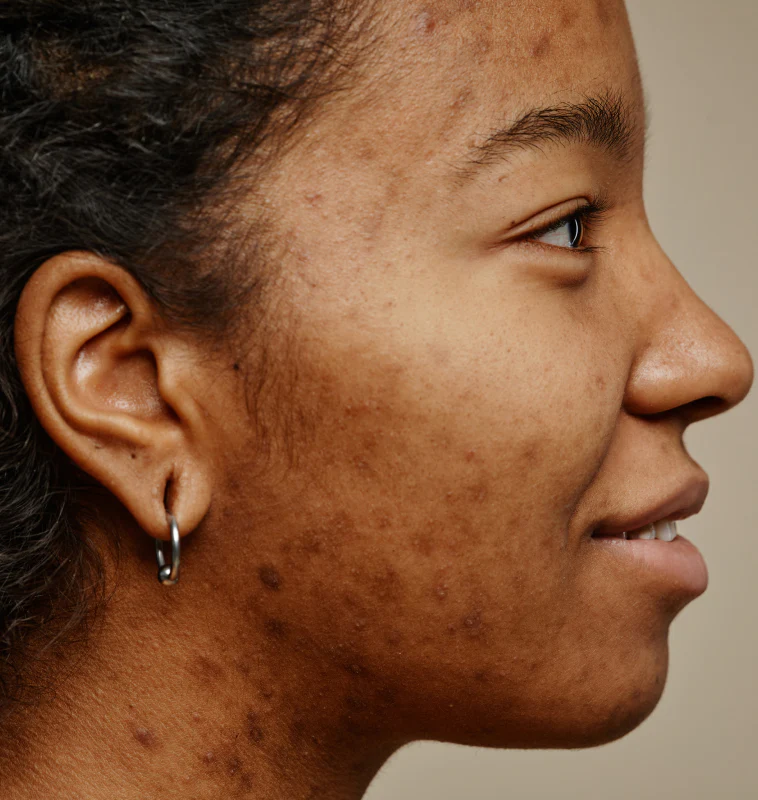
While often associated with aging, hyperpigmentation is actually a symptom of skin imbalance – inflammation, barrier impairment and oxidative stress working together to overstimulate your pigment cells (melanocytes).
Think of it as restoring harmony, calming overactive melanocytes, balancing cell turnover and strengthening the skin to prevent recurrence.
Want to dive deeper into the varying forms of hyperpigmentation? Watch this short video where on our of Skin Experts break it down for you.
Dehydrated Skin
Dehydration is often misunderstood as dryness, but it’s a completely different issue. It can occur in any skin type, even oily, and is your skin’s way of saying it’s not coping.
Water is the skin’s communication network. Within your epidermis, extracellular fluid and intracellular fluid transport nutrients, hormones and signals between cells. When water levels drop, that communication breaks down – and like any relationship, poor communication leads to dysfunction.
When your skin cells can’t communicate effectively, collagen production slows, barrier repair halts and the skin becomes dull, fragile and unprotected. Dehydration always begins with a compromised barrier, where essential moisture evaporates instead of being sealed in.
The key to restoring a dehydrated skin is to rebuild the barrier first, combining lipid-rich products with hydrating humectants like hyaluronic acid. Once your barrier is strong, water can once again circulate freely – restoring plumpness, glow and the ability to self-repair.
Barrier Impaired Skin
Your barrier, also known as your acid mantle, is your skin’s personal armour – a delicate layer of oils, sweat and microorganisms that protect against toxins, bacteria and dehydration.
When this shield is compromised, whether through harsh products, over-exfoliation, internal stress or nutritional imbalance, your skin becomes vulnerable to redness, irritation and accelerated aging.
An impaired barrier is at the root of almost every common skin concern, from acne and eczema to hyperpigmentation and premature lines. Early signs can be subtle: tightness, dullness and frequent flare-ups. But over time, the damage compounds and the skin loses its ability to defend itself.
To heal, the skin needs gentle, consistent support not aggressive exfoliants or “quick fixes.” Repairing an impaired barrier is the cornerstone of every O COSMEDICS journey, because once restored, your skin can handle active ingredients, maintain hydration and glow naturally again.
Want to dive deeper? Check out these blogs: How To Repair A Damaged Skin Barrier and What Is A Damaged Skin Barrier – 5 Signs To Look Out For
Aging
Aging is both a privilege and a process, one that begins quietly beneath the surface long before we see fine lines and wrinkles. From our early twenties, our fibroblast cells (responsible for producing collagen, elastin, and hyaluronic acid) begin to slow down in action. These are the very components that give our skin structure, volume and bounce.
As the years progress, this slowdown is compounded by external and internal factors: inflammation, oxidative stress, glycation, mitochondrial decline and DNA damage. Each one plays a role in how the skin visibly ages.
Inflammation, whether visible or silent, breaks down collagen and accelerates cellular fatigue. Oxidative stress from pollution, UV and toxins triggers free radicals that attack healthy cells. Glycation, caused by sugar molecules binding to collagen and elastin, makes these fibres stiff and brittle, resulting in sagging and wrinkles. As our mitochondria (the skin’s energy engines) become less efficient, renewal slows. Over time, DNA damage from UV and environmental exposure compromises the skin’s repair mechanisms altogether.
But aging doesn’t have to mean decline it’s a call to nourish, protect and energise the skin with intelligent skincare that restores function at the cellular level.
By supporting fibroblast activity, neutralising free radicals, strengthening the barrier and maintaining hydration, O COSMEDICS formulations work in synergy with the skin to delay visible aging and promote long-term vitality. Paired with professional treatments and expert guidance, this becomes the foundation for timeless, luminous skin.
Want to dive deeper into the 5 major causes of skin aging? Check out this blog: The 5 Causes Of Aging
If you’re ready to discover your best skin yet:
Book An In-Clinic Consultation with one of our O Skin Experts for a personalised experience and advanced analysis.
No matter where you begin, your skin journey starts with education, empowerment and evidence-based skincare. At O COSMEDICS, we don’t just treat the skin, we restore its integrity, resilience and confidence from the inside out.